Sonocea® is a neuroscience technology company developing acoustic interventions designed to support autonomic nervous system regulation.
Powered by Sonic Augmentation Technology™ (SAT™), the Sonocea platform uses patent-pending signal-generation architecture and is designed for professional deployment.
Published human research
88.5%
88.5% showed improvement in self-reported biobehavioral state
Biological measurement
88.5%
73% showed an increase in salivary oxytocin After one 15-minute session
US federal government funded research
88.5%
Four-arm randomized study Four weeks of repeated use Manuscript under review
Why it matters
Under sustained pressure, regulation matters
High-pressure organizations depend on people being able to recover and return to readiness.
Yet many approaches to regulation and recovery require dedicated time, active participation, specialist provision, or individual behavior change – making consistent deployment difficult.
Sonocea is designed to make nervous system support practical within demanding environments and at organizational scale.
Settle
Support the transition out of high-arousal states.
Recover
Create space for decompression between periods of demand.
Prepare
Support readiness for what comes next.
What makes Sonocea different
Our technology is in the signal.
Sonocea SAT uses patent-pending signal-generation architecture to create structured acoustic interventions designed to support autonomic nervous system regulation.
Unlike conventional meditation, music, or wellness content, Sonocea is built on proprietary acoustic technology and evaluated through human research and biological measurement.
Engineered
Proprietary signal architecture generates the structured acoustic input.
The Sonocea platform
Built on five decades of autonomic neuroscience
Sophisticated neuroscience. Simple delivery.
SAT generates structured acoustic signals designed to support autonomic nervous system regulation through the auditory pathway.
Engineered
SAT generates structured, bespoke acoustic signals.
Delivered
Played through ordinary headphones, speakers, apps, or embedded in partner platforms.
Measured
Human studies show improvements in biobehavioral state alongside measured changes in salivary oxytocin.
Science & evidence
Human studies evaluate both single-session response and repeated use
Human research has measured both rapid response after a single 15-minute SAT exposure and change following repeated use over four weeks.
Evidence includes peer-reviewed research and a completed US federal government-supported randomized study, using behavioral measures alongside biological measurement.
15 minutes · peer-reviewed · published 2026
A measurable shift after a single SAT exposure
University of Florida College of Medicine · n=113
Following one 15-minute SAT exposure:
88.5%
showed improvement
100 / 113
participants improved
24 / 33
oxytocin increased
100 of 113 participants reported an improvement in self-reported total biobehavioral state.
Statistically significant within-participant changes
Improvements were observed across measures of calm/regulatory state, high-arousal/distress measures and total biobehavioral state.
p = .001
24 of 33 participants showed an increase in salivary oxytocin following SAT exposure.
p = .001 [VERIFY BEFORE PUBLICATION]
What this means
After just 15 minutes, participants reported improvements in measured aspects of biobehavioral state, with reduced high-arousal/distress measures and increased calm/regulatory measures. The salivary oxytocin findings provide evidence of a measurable biological response alongside those reported changes.
Why it matters
For people under sustained pressure, the ability to shift state quickly could make nervous system regulation more practical within the realities of a demanding day. For organizations, a 15-minute, passive intervention creates the potential for support that can be integrated into existing routines without specialist equipment or extensive training.
Dale et al., Frontiers in Psychiatry (2026).
Read the peer-reviewed study →
Frontiers in Psychiatry, 2026
Completed US federal government research
Repeated use over four weeks
US federal government-supported randomized study · Long COVID · Manuscript under review
A four-arm randomized study evaluated repeated use of SAT over four weeks, alongside transcutaneous vagus nerve stimulation (tcVNS), a combined intervention and a no-intervention control.
The study was designed to examine the effects of repeated intervention over time, extending the research beyond the single-session response measured in the published University of Florida college of medicine study.
Week 1
Week 2
Week 3
Week 4
Four weeks
Repeated use of SAT evaluated over a longer intervention period.
Four study arms
SAT · tcVNS · combined SAT + tcVNS · no-intervention control.
Randomized study
Completed US federal government-supported research. Manuscript currently under review.
What this means
The study extends Sonocea research from a single 15-minute exposure to repeated use over four weeks, allowing SAT to be evaluated as part of an ongoing approach to nervous system regulation and recovery.
Why it matters
For organizations considering Sonocea as part of ongoing workforce support, repeated-use research is important in understanding how the technology could be integrated into regular recovery routines rather than used only as a one-off intervention.
Research status: Study completed · Manuscript under review
View the study →
Research program
A growing program of human research
The Sonocea research program includes academic and government-supported human studies, from published research to further clinical evaluation.
Published · 2026
University of Florida College of Medicine
Single-session feasibility study evaluating response following one 15-minute SAT exposure.
Peer-reviewed · Frontiers in Psychiatry
Completed · manuscript under review
US federal government-supported research
Four-arm randomized Long COVID study evaluating repeated use over four weeks.
Study completed · Manuscript under review
IRB approved
Universitätsspital Basel
Further human research approved to proceed.
Awaiting IRB approval
Harvard Medical School / Massachusetts General Hospital
Further research in development.
Applications
Built first for people under pressure
Sonocea is initially focused on people working in demanding environments where sustained stress, high arousal and limited opportunities to recover can affect how they feel and function.
Applications: elite sport
The same need exists in elite sport
Regulation matters in performance
Elite athletes move quickly between very different physiological and psychological demands – from high arousal and intense competition to recovery, rest and preparation for the next performance.
Supporting the ability to shift state could help athletes transition more effectively between periods of demand and rest – creating the conditions for recovery and readiness when they matter most.
Built to fit existing routines
Passive listening sessions can be incorporated around training, competition, recovery and travel using ordinary audio devices.
Early evidence in elite sport
Evaluated in a professional soccer environment
In an uncontrolled feasibility pilot, 87.5% (21 out of 24 participants) improved, showing a reduction in the high-arousal measure following a Sonocea session.
These early findings support further evaluation of Sonocea within performance environments.
Feasibility data only. The pilot was uncontrolled and does not establish causation or improvement in sporting performance.
Real-world deployment
From research to scalable professional use
Sonocea technology powers the Rest & Restore Protocol™, licensed to Unyte Health as part of its suite of listening-based solutions for clinicians and therapists.
The Rest & Restore Protocol is designed to support restoration and recovery, giving professionals a simple, non-invasive way to incorporate nervous system regulation into their work with clients.
Subscription-based
The Rest & Restore Protocol is available through an annual subscription model, enabling professionals to use the protocol across multiple clients.
Digitally delivered
Clients can access the Rest & Restore Protocol through the Unyte platform for use in professional settings or remotely – using standard audio devices.
Built to scale
A single professional subscription can support multiple clients, with additional client access added as required.
The Unyte partnership demonstrates how Sonocea technology can be licensed, digitally delivered and scaled through an established professional platform – without specialist hardware or complex infrastructure.
Explore the Rest & Restore Protocol at Unyte Health →
Frequently Asked Questions
Work with Sonocea
Evaluate Sonocea in your organization
Explore how acoustic neuromodulation could support regulation, recovery and readiness for people working and performing under sustained pressure.
Sonocea works with organizations, professional teams, research institutions and commercial partners to evaluate and integrate the technology in real-world environments.
Talk to us
We work with organizations to evaluate how Sonocea could support people working under sustained pressure.
Talk to us
Interested in research?
Sonocea collaborates with academic and clinical researchers to expand the evidence base for acoustic neuromodulation.
Discuss a research collaboration
Stay informed
Receive occasional updates on Sonocea research, partnerships and developments.
Subscribe to Sonocea updates


Acoustic neuromodulation for recovery and readiness
Proprietary technology for nervous system support.
Sonocea® is a neuroscience technology company developing acoustic interventions designed to support autonomic nervous system regulation.
Powered by Sonic Augmentation Technology™ (SAT™), the Sonocea platform uses patent-pending signal-generation architecture and is designed for professional deployment.
PUBLISHED HUMAN RESEARCH
88.5%
showed improvement in self-reported biobehavioral state
BIOLOGICAL MEASUREMENT
73%
showed an increase in salivary oxytocin after one 15-minute session
US FEDERAL GOVERNMENT FUNDED RESEARCH
250
participants in a four-arm randomized study over four weeks
Why it matters
Under sustained pressure, regulation matters
High-pressure organizations depend on people being able to recover and return to readiness.
Yet many approaches to regulation and recovery require dedicated time, active participation, specialist provision, or individual behavior change - making consistent deployment difficult.
Sonocea is designed to make nervous system support practical within demanding environments and at organizational scale.
Settle
Support the transition out of high-arousal states.
Recover
Create space for decompression between periods of demand.
Prepare
Support readiness for what comes next.
Technology

Technology
Sophisticated neuroscience. Simple delivery.
The sonocea platform
Built on five decades of autonomic neuroscience
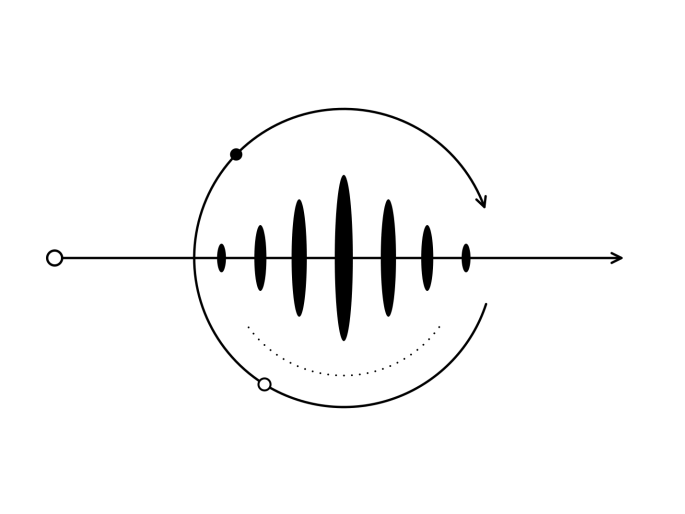
Engineered
SAT generates structured, bespoke acoustic signals.
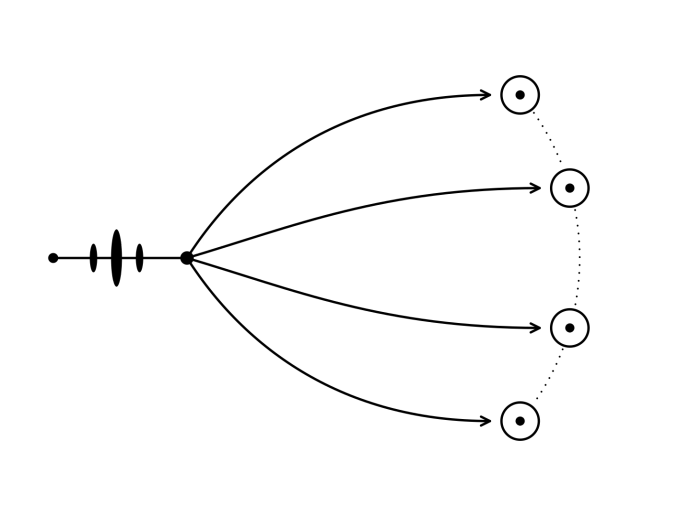
Delivered
Played through ordinary headphones, speakers, apps, or embedded in partner platforms.
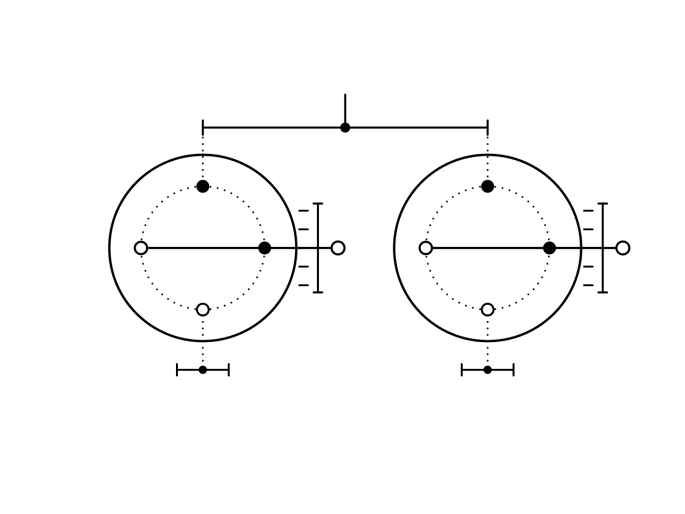
Measured
Human studies show improvements in biobehavioral state alongside measured changes in salivary oxytocin.
What makes sonocea different
Our technology is in the signal.
Sonocea SAT uses patent-pending signal-generation architecture to create structured acoustic interventions designed to support autonomic nervous system regulation.
Unlike conventional meditation, music, or wellness content, Sonocea is built on proprietary acoustic technology and evaluated through human research and biological measurement.
Engineered
Proprietary signal architecture generates the structured acoustic input.
Measured
Create space for decompression between periods of demand.
Deployed
Digital delivery through existing audio devices and partner platforms.
Non-Invasive
No drugs. No implants. No specialist hardware.
Low-friction
No training or active participation required.

Science and evidence
Human studies evaluate both single-session response and repeated use
Human research has measured both rapid response after a single 15-minute SAT exposure and change following repeated use over four weeks.
Evidence includes peer-reviewed research and a completed US federal government-supported randomized study, using behavioral measures alongside biological measurement.
15 MINUTES · PEER-REVIEWED · PUBLISHED 2026
A measurable shift after a single SAT exposure
University of Florida College of Medicine · n=113
Following one 15-minute SAT exposure:
88.5%
(100 of 113) participants reported an improvement in self-reported total biobehavioral state.
Statistically significant within-participant changes
Improvements were observed across measures of calm/regulatory state, high-arousal/distress measures and total biobehavioral state.
p = .001
72.7%
(24 of 33) participants showed an increase in salivary oxytocin following SAT exposure.
p = .001 [VERIFY BEFORE PUBLICATION]
What this means
After just 15 minutes, participants reported improvements in measured aspects of biobehavioral state, with reduced high-arousal/distress measures and increased calm/regulatory measures. The salivary oxytocin findings provide evidence of a measurable biological response alongside those reported changes.
Why this matters
For people under sustained pressure, the ability to shift state quickly could make nervous system regulation more practical within the realities of a demanding day. For organizations, a 15-minute, passive intervention creates the potential for support that can be integrated into existing routines without specialist equipment or extensive training.
Dale et al., Frontiers in Psychiatry (2026).
Read the peer-reviewed study
COMPLETED US FEDERAL GOVERNMENT RESEARCH
Repeated use over four weeks
US federal government-supported randomized study · Long COVID · Manuscript under review
A four-arm randomized study evaluated repeated use of SAT over four weeks, alongside transcutaneous vagus nerve stimulation (tcVNS), a combined intervention and a no-intervention control.
The study was designed to examine the effects of repeated intervention over time, extending the research beyond the single-session response measured in the published University of Florida college of medicine study.

Four weeks
Repeated use of SAT evaluated over a longer intervention period.
Four study arms
SAT · tcVNS · combined SAT + tcVNS · no-intervention control.
Randomized Study
Completed US federal government-supported research. Manuscript currently under review.
What this means
The study extends Sonocea research from a single 15-minute exposure to repeated use over four weeks, allowing SAT to be evaluated as part of an ongoing approach to nervous system regulation and recovery.
Why this matters
For organizations considering Sonocea as part of ongoing workforce support, repeated-use research is important in understanding how the technology could be integrated into regular recovery routines rather than used only as a one-off intervention.
Research status: Study completed · Manuscript under review
View the study

Science
& Evidence
RESEARCH PROGRAM
A growing program of human research
The Sonocea research program includes academic and government-supported human studies, from published research to further clinical evaluation.
PUBLISHED · 2026
Single-session feasibility study evaluating response following one 15-minute SAT exposure.
Peer-reviewed · Frontiers in Psychiatry
COMPLETED · MANUSCRIPT UNDER REVIEW
Four-arm randomized Long COVID study evaluating repeated use over four weeks.
IRB APPROVED
Further human research approved to proceed.
AWAITING IRB APPROVAL

Further research in development.
Sonocea is initially focused on people working in demanding environments where sustained stress, high arousal and limited opportunities to recover can affect how they feel and function.
Applications
Built first for people under pressure

Frontline Healthcare
A practical way to support nervous system regulation around demanding shifts - helping people decompress, recover and prepare for what comes next.
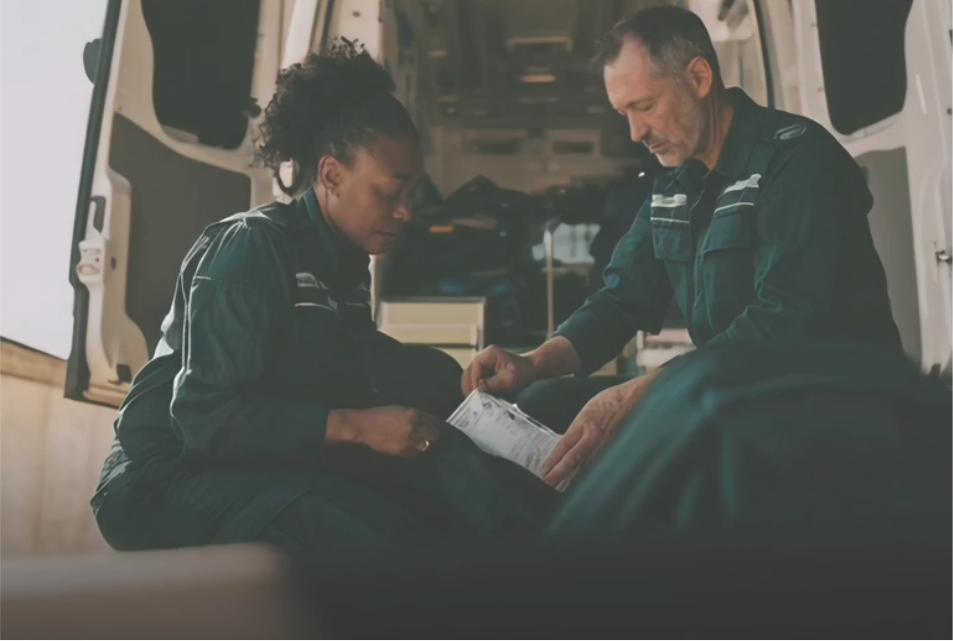
Defence & Emergency Response
Supporting people working in high-pressure environments where the ability to regulate, recover and return to readiness matters.
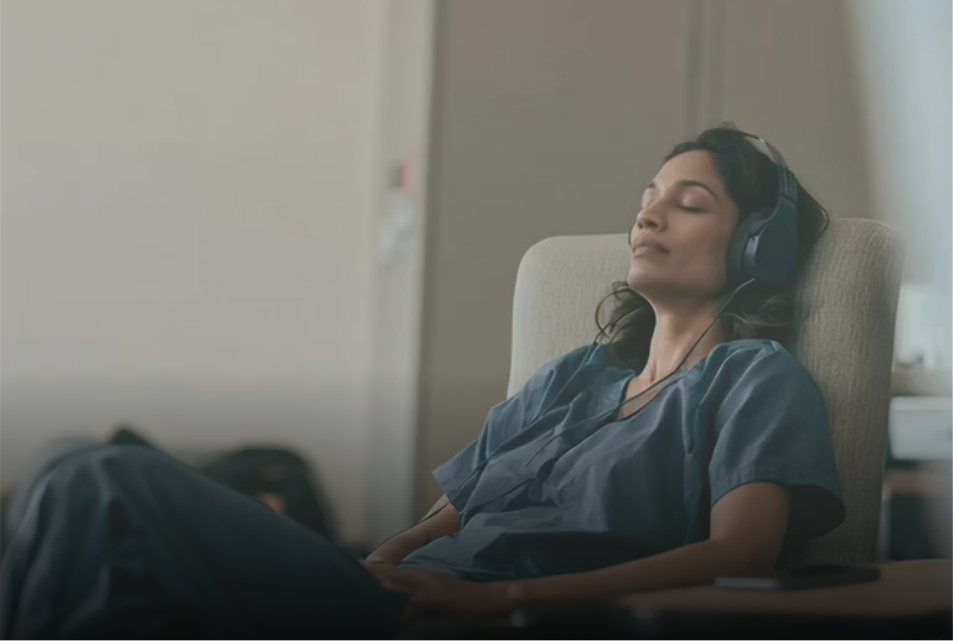
Designed for demanding environments
A 15-minute, passive intervention delivered through ordinary audio devices, with minimal training and no specialist hardware.

Applications

APPLICATIONS: ELITE SPORT
The same need exists in elite sport
Regulation matters in performance
Elite athletes move quickly between very different physiological and psychological demands - from high arousal and intense competition to recovery, rest and preparation for the next performance.
Supporting the ability to shift state could help athletes transition more effectively between periods of demand and rest - creating the conditions for recovery and readiness when they matter most.
Built to fit existing routines
Passive listening sessions can be incorporated around training, competition, recovery and travel using ordinary audio devices.
Early evidence in elite sport
Evaluated in a professional soccer environment
87.5%
(21 out of 24 participants)
In an uncontrolled feasibility pilot, 87.5% (21 out of 24 participants) improved, showing a reduction in the high-arousal measure following a Sonocea session.
These early findings support further evaluation of Sonocea within performance environments.
Feasibility data only. The pilot was uncontrolled and does not establish causation or improvement in sporting performance.

Real world deployment
From research to scalable professional use
Sonocea technology powers the Rest & Restore Protocol™, licensed to Unyte Health as part of its suite of listening-based solutions for clinicians and therapists.
The Rest & Restore Protocol is designed to support restoration and recovery, giving professionals a simple, non-invasive way to incorporate nervous system regulation into their work with clients.
Subscription-based
The Rest & Restore Protocol is available through an annual subscription model, enabling professionals to use the protocol across multiple clients.
Digitally Delivered
The Rest & Restore Protocol is available through an annual subscription model, enabling professionals to use the protocol across multiple clients.
Built to scale
A single professional subscription can support multiple clients, with additional client access added as required.

The Unyte partnership demonstrates how Sonocea technology can be licensed, digitally delivered and scaled through an established professional platform - without specialist hardware or complex infrastructure.
Explore the Rest & Restore Protocol at Unyte Health
About Sonocea
Built on five decades of autonomic neuroscience
Sonocea brings together Professor Stephen W. Porges’ five decades of research into the autonomic nervous system with Anthony Gorry’s 20+ years developing and commercializing audio technology and immersive experiences.
Together, they co-founded Sonocea and co-invented Sonic Augmentation Technology - bringing together autonomic neuroscience and signal-generation technology in a proprietary acoustic technology platform designed for real-world use.

Professor Stephen W. Porges PhD
Co-Founder & Chief Science Officer
Internationally recognized neuroscientist whose work has transformed understanding of the autonomic nervous system.
400+ peer-reviewed publications · 70,000+ citations
Read Stephen’s Bio

Anthony Gorry
Co-Founder & Chief Executive Officer
Technology entrepreneur with more than 20 years’ experience developing and commercializing audio technology and immersive experiences.
Read Anthony’s Bio
Leadership
The expertise to turn science into scale
The wider leadership team adds deep experience across operations, medicine, technology and finance - supporting the development, deployment and commercialization of the Sonocea platform.

Sarah Underwood
Co-Founder & Chief Operating Officer
Former COO Asia-Pacific Technology at Credit Suisse First Boston. Sarah has led global change initiatives spanning technology, finance and operations.

Dr. Peter Staats, MD MBA FIPP ABIPP
Chief Medical Advisor
Founder of the Division of Pain Medicine at Johns Hopkins and former CMO of National Spine and Pain Centers, with extensive expertise in neuromodulation and interventional pain.

Stefan Traykovski
Technology Advisor
Software engineer and technology leader with 17+ years building software and AI platforms. Founder of four ventures, including one successful exit.

Charles Vivian
Fractional Chief Financial Officer
Technology investor across private equity and public markets, with corporate finance experience as a former solicitor, startup founder, investor and advisor.
Scientific & medical advisory board
World-class expertise across science & medicine
Extending Sonocea expertise across neuroscience, medicine and areas of future clinical research.

C. Sue Carter, PhD
Women’s Health & Social Biology
Internationally recognized scientist whose pioneering research established key roles for oxytocin and vasopressin in social bonding, stress regulation and reproductive biology.

Robert K. Naviaux, MD, PhD
Metabolic & Complex Chronic Conditions
Professor of Genetics at UC San Diego and internationally recognized authority in mitochondrial medicine and metabolism.

Robert Dantzer, DVM PhD
Oncology Supportive Care & Fatigue
Professor at MD Anderson and internationally recognized authority on inflammation, brain–immune interactions, sickness behavior and cancer-related fatigue.
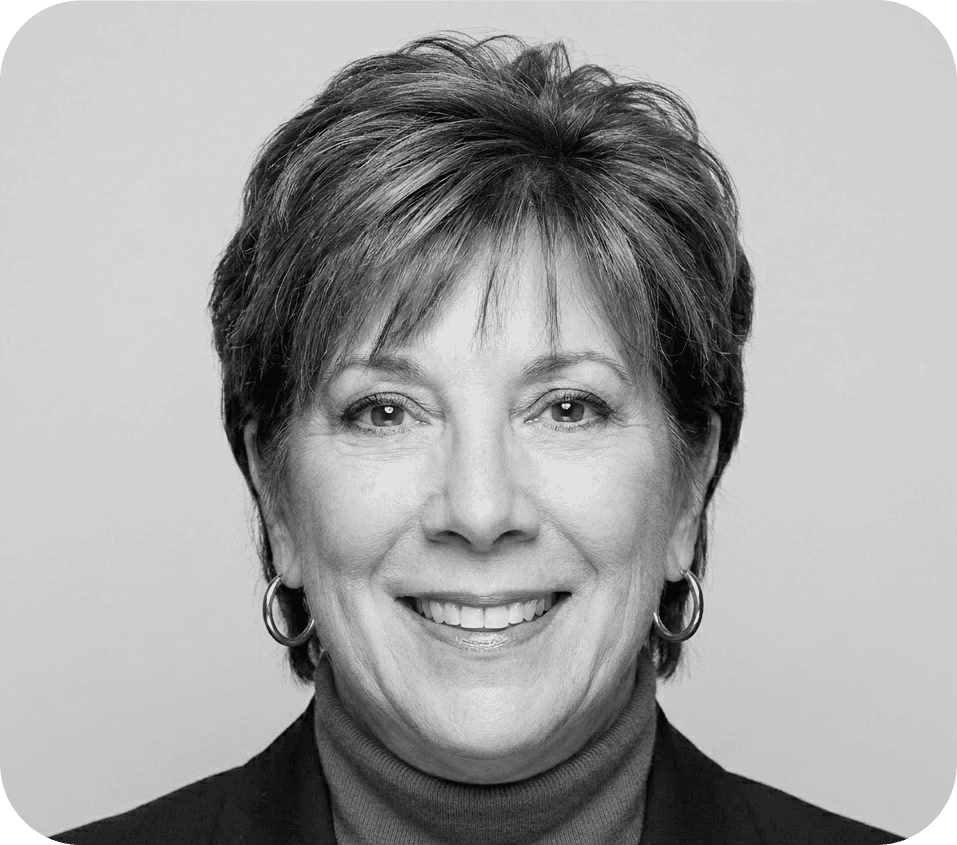
Dr Julie R. Korenberg, PhD
Neurodevelopment & Genetics
Professor of Pediatrics and internationally recognized physician–scientist in human genetics, neurodevelopment and the biology of social behavior.

Dr David M Steinhorn, MD
Palliative & Integrative Care
Pediatrician and nationally recognized leader in palliative, hospice and integrative medicine, with decades of experience developing patient-centered care programs.

Contact
Us

Company

Faq
Frequently asked questions
What exactly is Sonocea?
+
How is acoustic neuromodulation different from meditation, music, binaural beats or wellness audio?
+
How does Sonocea acoustic neuromodulation work?
+
What scientific evidence supports Sonocea acoustic neuromodulation?
+
Is Sonocea a medical device?
+
Is Sonocea® safe?
+
How is Sonocea delivered?
+
Where can I get Sonocea?
+
Can healthcare professionals use Sonocea with their clients?
+
Where is Sonocea already being used?
+
How can an organization work with Sonocea?
+
Does Sonocea replace therapy or medical treatment?
+
How do you pronounce Sonocea?
+
Work with Sonocea
Evaluate Sonocea in your organization
Explore how acoustic neuromodulation could support regulation, recovery and readiness for people working and performing under sustained pressure.
Sonocea works with organizations, professional teams, research institutions and commercial partners to evaluate and integrate the technology in real-world environments.
Talk to us
Interested in research?
Sonocea collaborates with academic and clinical researchers to expand the evidence base for acoustic neuromodulation.
Discuss a research collaboration
Stay informed
Receive occasional updates on Sonocea research, partnerships and developments.
Subscribe to Sonocea updates
Investors
Connect with our team to learn more about Sonocea’s technology, commercial strategy and investment opportunities.
Get in touch
© 2026 Sonocea Inc. All rights reserved.
Sonocea® is a registered trademark of Sonocea Group Limited.
Sonic Augmentation Technology™ and Sonostasis® are trademarks of Sonocea Group Limited.
Privacy
Terms
Medical Disclaimer
Cookie Policy